Understanding the Costs of Custom Pistol Builds: A Custom Pistol Pricing Guide
- jason Hernandez
- Mar 9
- 4 min read
Building a custom pistol is more than just assembling parts. It’s about crafting a precision instrument tailored to your exact needs. Whether you’re a competitive shooter, a tactical firearms instructor, or a serious enthusiast, understanding the costs involved is crucial. You want the best performance, reliability, and craftsmanship without surprises. Let’s break down what goes into the price and why it matters.
Custom Pistol Pricing Guide: What You Need to Know
When you start looking into custom pistols, the price tags can vary wildly. Why? Because every detail affects the final cost. From the frame material to the trigger system, each component adds value and complexity.
Here’s a quick overview of the main cost drivers:
Frame and Slide Material: Steel, aluminum, or titanium? Each has a different price point and performance profile.
Barrel Quality: Match-grade barrels cost more but deliver superior accuracy.
Trigger System: Custom triggers improve feel and reset but require expert fitting.
Sights and Optics: High-end sights or red dots add to the price but enhance target acquisition.
Finish and Coatings: Cerakote, nitride, or other finishes protect and personalize your pistol.
Labor and Craftsmanship: Skilled gunsmithing is not cheap but essential for reliability.
Understanding these factors helps you make informed decisions. You can prioritize what matters most to you and avoid overspending on features you don’t need.

Breaking Down the Major Components
Let’s dive deeper into the key parts that influence the cost of a custom pistol build.
Frame and Slide
The frame and slide form the backbone of your pistol. High-quality steel frames offer durability and weight, which can reduce recoil. Aluminum frames are lighter but may cost more due to machining complexity. Titanium frames are rare and expensive but provide the ultimate in strength-to-weight ratio.
The slide must be precisely machined to ensure smooth cycling and reliability. Custom cuts, serrations, and porting add to the cost but improve handling and aesthetics.
Barrel
A match-grade barrel is a must for competitive shooting. These barrels are manufactured to tighter tolerances, ensuring consistent bullet placement. You might pay a premium for barrels made from stainless steel or those with specialized rifling.
Barrel length also affects price. Longer barrels require more material and machining time. For example, a 5-inch barrel will cost more than a 4-inch one but can improve velocity and accuracy.
Trigger System
The trigger is where you feel the difference. A custom trigger can reduce pull weight, shorten reset, and provide a crisp break. These improvements translate to faster, more accurate shooting.
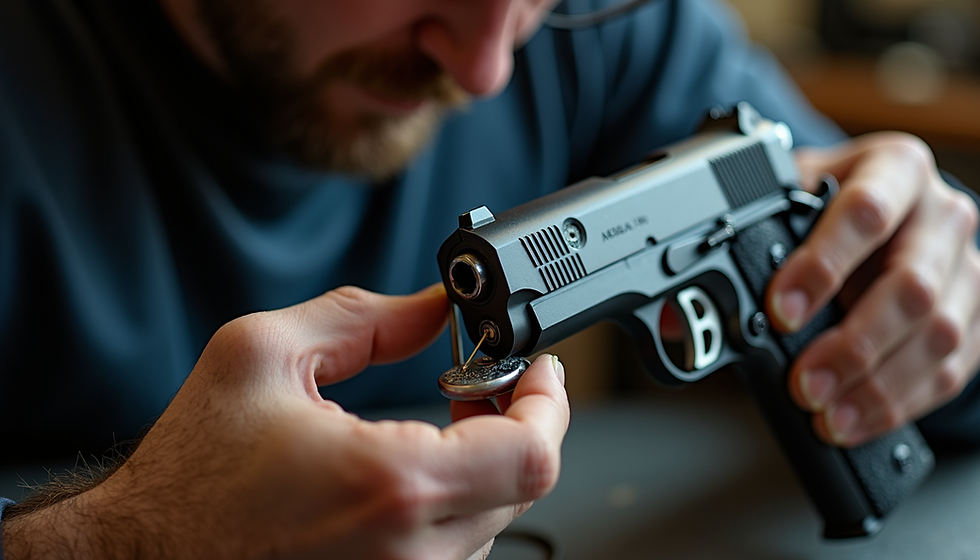
Installing a custom trigger requires expert gunsmithing. The parts must fit perfectly, and the system must be tuned to your preferences. This labor adds to the overall cost but is worth it for serious shooters.
Sights and Optics
Choosing the right sights is critical. Fiber optic, night sights, or adjustable target sights each come with different price tags. Adding a red dot optic or mounting plate increases cost but can dramatically improve target acquisition speed.
Don’t overlook the importance of sight installation and zeroing. Professional fitting ensures your sights perform as intended.
Finish and Coatings
A durable finish protects your pistol from wear and corrosion. Cerakote is popular for its color options and toughness. Nitride coatings offer excellent hardness and corrosion resistance.
Custom finishes require prep work and skilled application. This process can add hundreds of dollars to your build but enhances both function and style.

What is the 26 Inch Rule?
The 26 inch rule is a guideline often referenced in competitive shooting and firearm customization. It states that the combined length of the barrel and sight radius should not exceed 26 inches for certain competition categories. This rule influences barrel length choices and sight setups.
Why does this matter? Staying within the 26 inch limit ensures your pistol qualifies for specific divisions, keeping you competitive. It also affects handling and balance. Longer barrels can improve accuracy but may push you over the limit.
When planning your custom build, consider how the 26 inch rule impacts your component selection. It’s a balancing act between performance and compliance.
Labor Costs: The Heart of Custom Craftsmanship
You can buy parts anywhere, but the magic happens in the gunsmith’s workshop. Labor costs often represent a significant portion of the total price. Why?
Precision fitting: Custom parts rarely fit perfectly out of the box. Gunsmiths hand-fit components to ensure flawless operation.
Trigger tuning: Adjusting trigger pull weight and reset requires skill and time.
Assembly and testing: Each pistol is assembled, tested, and fine-tuned to meet exacting standards.
Customization: Engraving, stippling, and other aesthetic enhancements add hours of work.
Expect to pay for expertise. A well-built custom pistol performs reliably under pressure and lasts for years. Cutting corners on labor can lead to malfunctions and frustration.
Managing Your Budget: Tips for Smart Spending
Building a custom pistol doesn’t mean breaking the bank. Here’s how to get the most value for your money:
Set priorities: Identify must-have features versus nice-to-haves.
Research parts: Understand the cost and benefits of different materials and components.
Choose reputable gunsmiths: Experience matters more than the lowest price.
Plan for upgrades: Start with a solid base and add enhancements over time.
Ask for detailed quotes: Know what’s included in labor and parts costs.
By planning carefully, you can control your expenses while achieving a pistol that meets your exacting standards.
Why Investing in Quality Pays Off
A custom pistol is an investment in performance and reliability. Cutting costs on critical components or labor can lead to failures when it matters most. Precision shooters and instructors demand firearms that perform flawlessly every time.
When you understand the custom pistol build cost, you see that quality craftsmanship and premium materials justify the price. Your pistol becomes an extension of your skill, giving you confidence and an edge in competition or training.
Final Thoughts on Custom Pistol Pricing
Custom pistol builds are complex projects with many variables. The price reflects the quality of materials, the skill of the gunsmith, and the level of customization. By understanding these factors, you can make informed choices that align with your goals.
Remember, a custom pistol is not just a tool - it’s a precision instrument engineered for excellence. Invest wisely, and you’ll enjoy unmatched performance and reliability for years to come.


Comments